Tag Archive for: calculated risk on investments

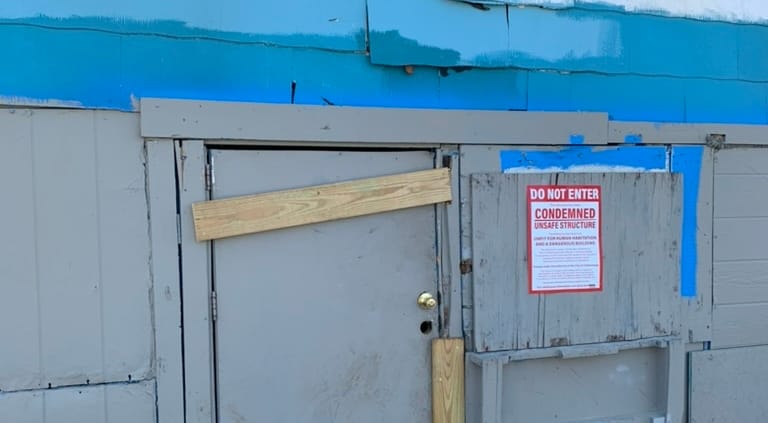
cost to own investment properties can be high or low. This photo shows a condemned property

Balancing the Books on Real Estate Investing

There seems to always be hype around owning investment properties. Proponents of real estate investing tout that this is the best way to create secure passive income and work towards generational wealth. It all looks fantastic and straight forward: find a good property, put a little money into it to make it rental ready, throw in a super responsible tenant, and voila, you’re off to the races.

But, what about if and when things go off track, maintenance costs accumulate, tenants can’t pay rent, taxes and insurance increase, vacancy goes up? How much does it really cost to own investment properties? 

This is not an easy question to answer. Like so many other things, what it actually costs to own rental properties can fluctuate dramatically with the type of property you’re buying, market conditions, rental rates and other factors like deferred maintenance.

In addition to actual monetary expenses, the amount of time and energy you may need to put into an investment property can also take a toll. 

It’s critical to run the numbers first to make sure that your head thinks it’s a good financial investment before you get your heart set on a property.

When I’m considering purchasing an investment property, I spend some time creating estimates on costs to determine if the property will likely be profitable and how long it will take to get there. 

Here’s some quick, back of the napkin math I use to evaluate a property before I get serious about it.

Income

  1. Market rate monthly rent– Isn’t this why we’re doing this?! Let’s get that cash flow flowing. How much can you rent the property for at the current fair market rate? This will vary depending on the type of rental you’re planning on. For example, if you’re thinking of an unfurnished house with a 12 month lease, your monthly rent will likely be lower than a furnished vacation rental. My advice, take a look at the properties currently on the market to figure out where the ball park market rent is landing. Don’t forget to reevaluate your rental rate if the market changes…because it will!
  2. Other amenities available for purchase– Offering any other amenities that will add to your rental income? Storage, bike parking, garage, etc. 

Expenses

  1. Mortgage– How much will the money payment be if I take a mortgage.
  2. Insurance– Will insurance be included in the mortgage payment. Will I need any special types of policies like flood insurance? Is the property in a hard-to-insure area that would make the policy super expensive? 

*Pro-tip: Before you even offer on a property, talk to your insurance rep to make sure there won’t be any hiccups down the road. 

  1. Taxes– Are property taxes being paid through the mortgage escrow account or will you need to set money aside for these?
  2. Utilities– Are you paying for utilities (some or all) or will your tenant(s) be paying? 
  3. Start Up Capital– Will you need to put any money into the property before it makes its first buck? 
  4. Maintenance and repairs– Generally, I set aside 8% of the gross income per month for maintenance and repairs. This may need to be higher or lower depending on the location, age and function of the property. 
  5. Turns– If you’re planning on doing a longer lease, then in theory, you should need to turn the property over less often. This can save on turns especially if you find tenants who tread lightly on the home. However, if you’re thinking of doing a short term vacation rental (STVR) or shorter leases, turns can really add up. 
  6. Furnished or unfurnished– Depending on the market, having a furnished rental can attract higher paying tenants like travelling medical professionals or executives. This requires you to cough up a bit more start up capital, but may be worth it depending on your target tenant.
  7. Property Management (PM)– In the Grand Valley, property management companies typically take about 10% of gross monthly income. That puts less money in your pocket, but also may give you less headaches (or maybe that’s just me). If you’re thinking of using a PM, make sure you know the terms and how much this will cost you before you sign a contract.
  8. Carrying cost– If your rental market is fairly slow, factor in what it will cost you to pay all the expenses for the property for the months it will take to rent it, turn it or get it ready to market. Oh, and I include lawyer fees in carrying costs too.

On first glance, the expense list may seem to greatly overshadow the income list. 

That is why it’s SO IMPORTANT to get a realistic estimate of your expenses vs. income. 

If the income is greater than your expenses, that’s a good indication that the property has promise. I’ve had clients be all cash flow focused, or some who tell me they’re happy with the equity increase as long as the property is breaking even (income = expenses).

Take a moment to consider your investment goals. Are you looking for cash flow, equity growth or both? You might enjoy reading my post about investment goals

Interested in properties that might help you meet your goals? I can set up a no-pressure search that will alert you when properties that meet your criteria become active. 

Drop me a line to get your search started.

Your property investment specialist,

Alanna


Alanna Spees, REALTOR®
Text/Call: (408) 497-3774
The best way to reach me is to text directly! 

Send me an email
Connect with me on LinkedIn
Learn more about me and my services

Not quite ready to talk? No problem.
Check out my other articles on investing strategy.

*All content is human generated and AI edited (because spell check is my friend).
©2025 Alanna Spees, Swift Water Investments, LLC. All rights protected.
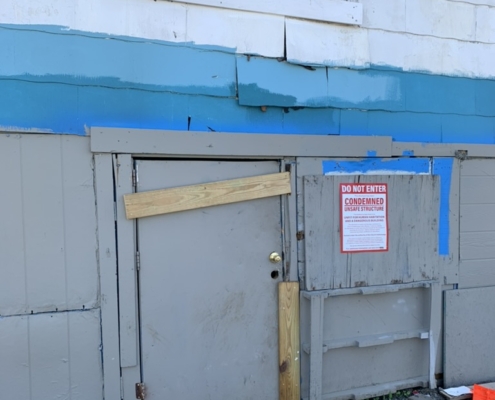
cost to own investment properties can be high or low. This photo shows a condemned property

Make sure you know what the actual capital investing is to get a property ready to market. Think twice to make sure it’s in your budget and your best interest.
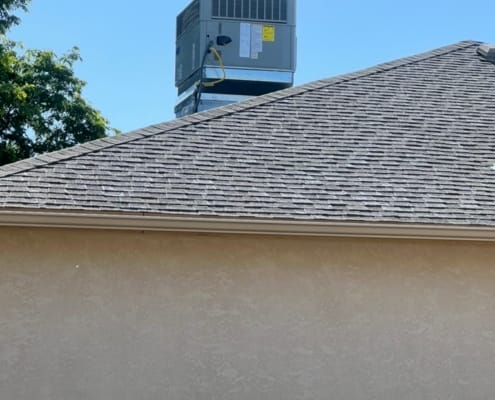
Utility repairs and replacements can be spendy and fast. Take a look at make, model, year and any maintenance records. And if you’re not sure, have a contractor come help. Usually, they’re happy to help evaluate.
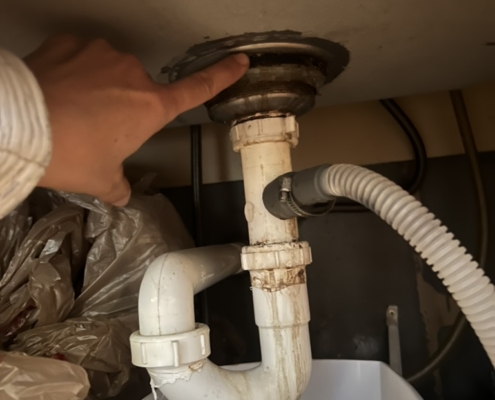
Leaks and plumbing can be a huge cost, especially when it comes to water damage.
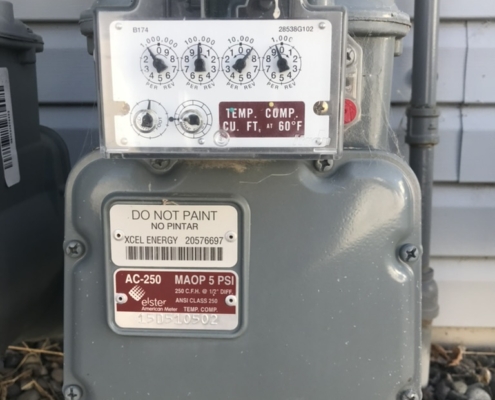
Monthly utility cost can give you a good idea about how much you or a tenant will be paying for all the utility basics.
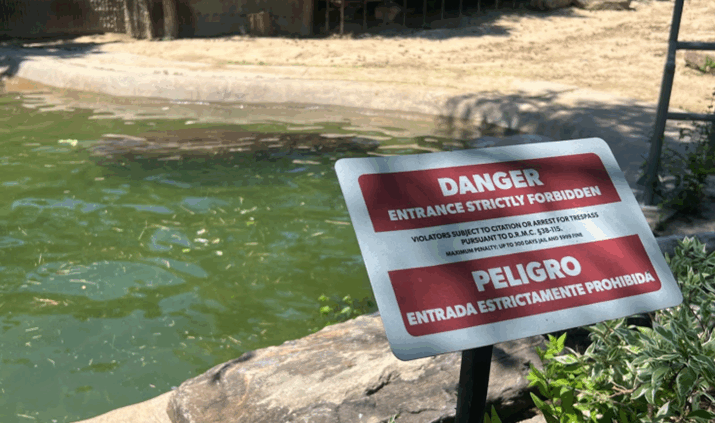
Danger sign next to water feature

A property is a huge investment (duh), but many people wonder, how do I protect my real estate investments? And more importantly, how do you protect yourself against the chaotic world of landlord-dome?

You can’t just put up reams of barbed wire and mine fields like Scrooge McDuck does to his money bin (Shout out to Carl Barks and Don Rosa for epic Duck Tales). 

It would be great if we were warned away from bad investments with signs that shout “Danger”. I WISH investing worked like that. 


Instead, what can we do to help us steer clear of dangerous situations and step into a place of better protection?

In a rental world that is quickly and continuously adopting legislation in favor of lawsuit inclined tenants, it’s getting harder and harder for a landlord/owner to protect themselves and their property.

I’m no lawyer, so first off, consult yours for more info. I use Anderson Business Advisors 

(They’re awesome. Shameless plug) who helps me with most of my legal and business needs. They help me when I want to protect my real estate investments. For more info, visit them at https://andersonadvisors.com/

Here are a few basic concepts that Anderson Advisors recommend to think about when it comes to real estate investing. 

The first one is calculated risk. Calculated risk is the assessment of how risky or conservative an investment or decision is based on the info you have at the time. I encourage my clients (and myself too) to think about the risk of a particular decision when it comes to the use of your investment properties. 

For example, if it’s a high risk investment, like a top-dollar property in a neighborhood that’s still on the rise for equity gain, you have to decide if that’s an investment you’re willing to sit on until the neighborhood comes up. Similarly, if you’re interviewing potential tenants, you will have to make the financial call for which tenant is the most financially qualified.

Asset Protection is another crucial component of real estate investing. Simply put, this means setting up a method to guard what’s yours. When it comes to protecting your real estate assets, many investors (including me) use a corporate structure. In other words, this means making companies that own your assets to help protect you from losing your assets if things go awry.

Two important things I’ve learned from Anderson Advisors to help reduce risky exposure when you’re a real estate investor: 

  1. Get good legal counsel (this includes having lawyers draft and/or review all your documents including leases)
  2. Create a corporate structure to protect your assets and limit your liability. Your company will function as a separate entity with its own finances, bank account and expenses.

There’s probably not a ton of mystery around why you want a good lawyer especially if you’re having them draft or review contracts. I’ve found that choosing a lawyer that has expertise in the area you need is critical. If your lawyer is a guru in real estate law, that’s a good starting point. Make sure they can advise you on new legislation and pivot as needed. Any lawyer worth their salt should be able to help you change with the times.

But, what the heck is corporate structure and why is it important for real estate investing? Corporate structure is a term that people throw around (me too it seems) to describe how a company or series of companies are set up to benefit the people who own them, employees (if there are any) and the company assets (the things the company owns that have value).

When it comes to the issue of protecting my real estate investments, the house or houses are the assets and the company is usually designed to own the houses separately from you as an individual. Imagine the house(s) inside a protective force field. The company is the force field that helps guard against attack from the outside.

There are different types of companies that investors use, and a common one is a Limited Liability Company or LLC. 

There are several advantages of using a company to hold investment properties according to Anderson Advisors. 

First and foremost, a company can help protect you as an individual from losing your shirt to lawsuits. This term called asset protection is one of Anderson’s specialties. 

Let’s take a second for story time.

Once upon a time…

I bought a house as an investment property and kept it in my personal name. I got it ready to rent, made a lease, found a tenant and signed them on. Then, things went south and they wanted to sue me for a faulty water heater that burned them because the water was too hot. Since I own the property personally, the tenant can not only sue me for the value of the property, but they can come after ALL my assets. 

Now, let’s consider what would happen if my company owned the assets instead.

I own an LLC that bought an investment property that belongs to the LLC. The company got it ready to rent, made a lease, found a tenant and signed them on. Then, things went south and the tenant wanted to sue me for the faulty water heater burn. BUT, since the property is owned by the LLC, the amount they can sue for is limited to the value of the company. In this case, that would be the value of the house.

The company acts as a protective barrier, and the business assets remain separate from you as a natural person. 

The second advantage is for taxes. Yes, filing your taxes correctly, above board and on time is still the requirement and goal. But, there are differences when you file taxes as an individual (let’s say W2 income) versus filing taxes as a company.

We usually pay taxes on the wages we earn first. The money remaining is what we put in our pockets (or mattresses) to live our lives. A company pays their expenses FIRST out of their gross income, and then pays taxes on what remains. This makes for a HUGE difference in taxable income which can have a major advantage when it comes to the bottom line. 

Here’s a quick example:

You make $100. You pay 25% to taxes, for a total of $25. Your net income is $75, and it’s the money you have to pay your $50 worth of expenses. The money you pocket at the end of the day is the remaining $25. 

A company, on the other hand, makes $100. It pays its expenses of $50. Then, it pays taxes on the $50 income (post expenses). The amount of taxes it pays is $12.50, only HALF of the amount paid in taxes if you were paying taxes on W2 earnings. The company banks $37.50 at the end of the day…almost 67% more income! 

These savings are HUGE and they add up over time. 

CPAs will tell you the same thing, and I suspect, would encourage any investor to consider using corporations to help when it comes to tax time. Of course, I am not a tax professional, so talk to your tax advisor and/or CPA for more info and details about how to best plan and file your taxes.

It certainly gets more complicated than this, and every situation is different (which is also why you need a good lawyer to help you navigate the ins and outs). But setting up a solid legal team and a corporate structure to protect your assets is a great way to set yourself up for long term success. So, if you are wondering how to protect my real estate investments, reach out. I’d love to talk with you about your options for buying real estate in the Grand Valley. You might also enjoy my post about real estate investing goals: cash flow or equity?

To your growth and success,

Alanna

Alanna Spees, REALTOR®
Text/Call: (408) 497-3774
The best way to reach me is to text directly! 

Send me an email
Connect with me on LinkedIn
Learn more about me and my services

Not quite ready to talk? No problem.
Check out my other articles on buying a home.

*All content is human generated and AI edited (because spell check is my friend).
©2025 Alanna Spees, Swift Water Investments, LLC. All rights protected.